
Non-Toxic Cleaning 101: Ditching Harsh Chemicals Step-by-Step
All Natural Cleaning Supplies are easy to make at home using what you have on hand! Creating your own natural cleaning routine can be a fun and creative way to get started on your non-toxic journey. This post is made so you can ditch harsh chemicals step-by-step.
I’m on a mission to make my home a healthier, happier place—without breaking the bank or my sanity. Today, I’m combining everything I’ve learned about non-toxic cleaning, store-bought cleaning options, some real talk on essential oils, and all the best pantry staples so you can whip up your cleaning supplies when needed.
Ready to go Non-Toxic? Skip ahead to my favorite cleaning recipes.
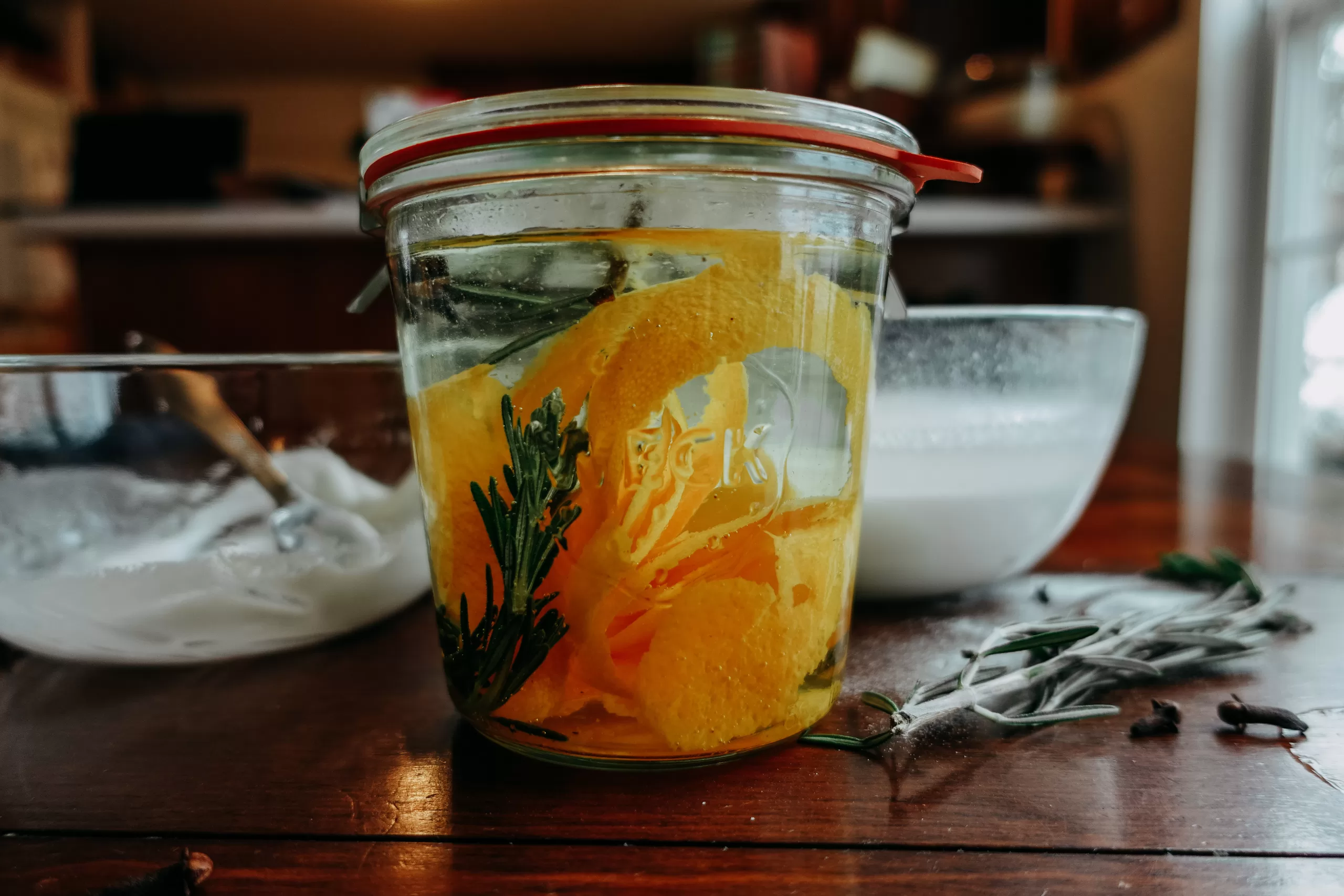
Simplify Your Non-Toxic Cleaning Journey
One of the first steps you can take to create a toxin-free home is to make your own cleaning products. It is a cheap and simple way to rid your home of harsh chemicals.
If you’re feeling overwhelmed by all the non-toxic cleaning information on the internet, you’re not alone. This simple step-by-step guide to ditching harsh chemicals in your cleaning routine can simplify the process.
I’m a firm believer that if we create a solid, toxin-free foundation in our home environment, it’s easier to tackle everything else—mom life, amiright?
Step 1: Get Rid of Conventional Cleaners
Why should I stop using conventional cleaning products?
First of all, I want to define conventional cleaning products as those with heavy toxic chemicals that you can buy off the shelves of any big box or grocery store (think big names like Tide, Windex, Lysol, Clorox bleach, and many more). I feel like it is becoming common knowledge that conventional cleaning products are not the healthiest for us.
There is a plethora of information on how cleaning products with heavy chemicals and irritate lungs, eyes, and skin. In recent years, more studies are pointing to the endocrine and hormone disruptors in these products, hindering reproductive health and even causing birth defects.
I truly don’t share this to scare you. I am far from a conspiracy theorist. But I am a firm believer in the phrase “know better, do better.” I am learning new information everyday, and always looking for small ways to make my home a safer, healthier, and happier environment for my family. Since I now know that these products could potentially cause health problems down the road, I decided they are no longer welcome in my home.
The 3 Places to Start
Tier 1: What Touches Your Skin Daily
- Laundry detergent
- Hand soap
- Dish soap
- Counter spray (if you cook constantly like you do)
Why:
High frequency exposure.
Tier 2: What You Breathe
- Candles
- Air fresheners
- Plug-ins
- Carpet powders
Tier 3: Deep Cleaners (Lower Priority)
- Oven cleaner
- Toilet bowl cleaner
- Occasional mold treatments
These are less frequent, so less urgent.
Step 2: Replace With Better Options
Can’t I just buy eco-friendly cleaning products from the store?
Yes! If you are not ready to make your own cleaning supplies or you simply don’t want to, you can choose better options at the store.
Moving from regular chemical cleaners to natural “green cleaning products” at the store (like Mrs. Meyers, Seventh Generation, or Puracy) is a great next step to creating a toxic-free home. I am not knocking these at all. It is the first step I made when transforming my own homestead. These products are easily accessible, and do not cost any more than the toxic stuff. To read more about my journey toward a more sustainable life, check out my about page.
However, some of these products can be “green-washed,” meaning that they might not be as eco-friendly as you think. Always read the ingredient labels and know what you are bringing into your home. In order to help decide on the best products, the Environmental Working Group has created “EWG’s Guide to Healthy Cleaning,” where you can search any product to learn if it’s right for you.
Step 3: Make Your Own Non-Toxic Cleaners at Home!
Making cleaning supplies is the cheapest method to move toward a non-toxic. Many recipes use common pantry staples along with food scraps to reduce waste!
Why “Going Green” Is Easier (and Cheaper) Than You Think
If you are looking to reduce your environmental impact even more, these simple homemade cleaner recipes might be for you! By making your own DIY cleaners, you are bypassing packaging and all of the energy and resources used in manufacturing and transporting the cleaning products.
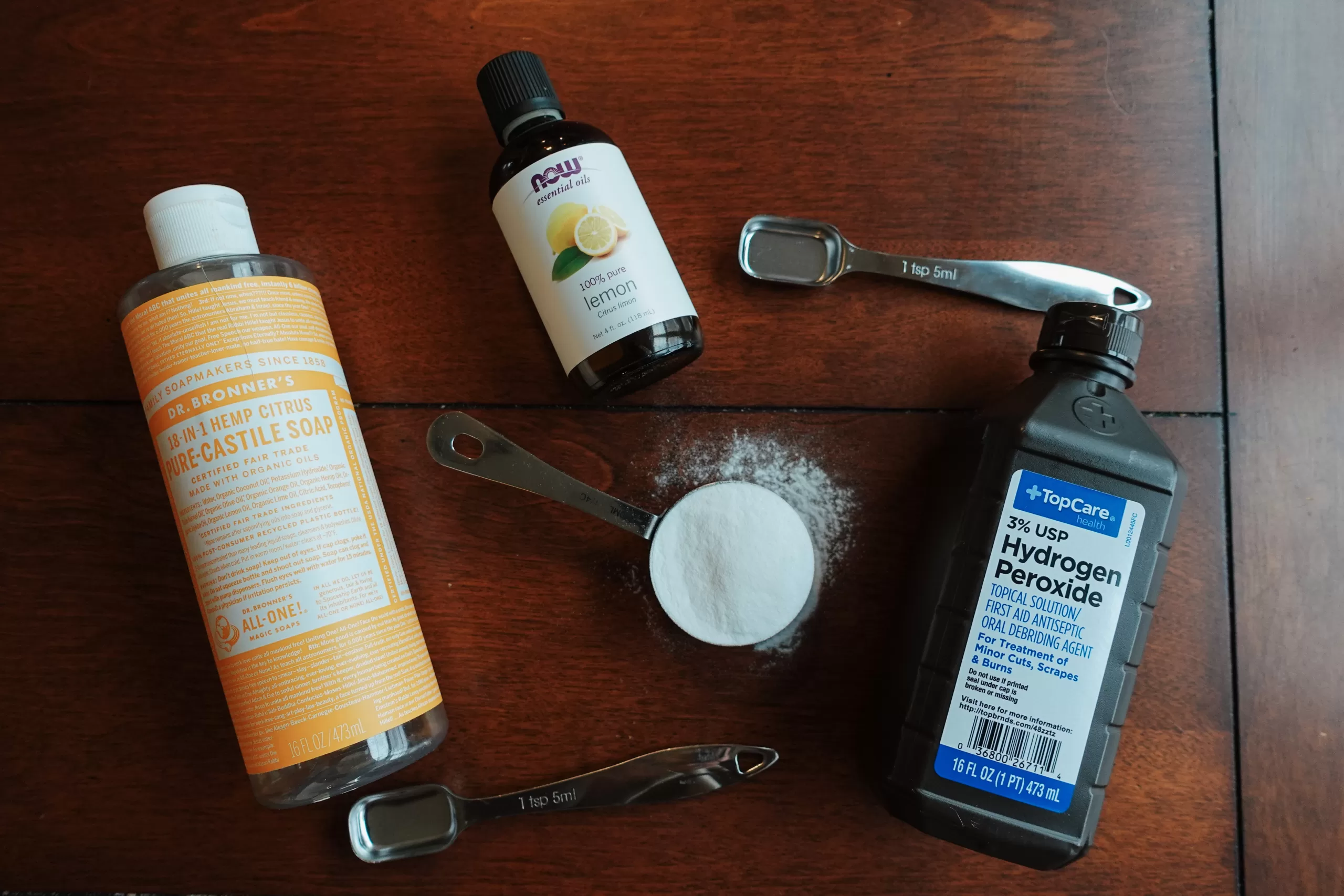
Pantry Staples for Homemade Cleaning Products
If you always have these items on hand, you can clean your house on a moments notice!
I researched a lot of recipes. Some of my favorites are variations from the book, Simply Living Well in combination with tips from YouTuber Rachel Talbott.
Cleaning vs Disinfecting: What You Actually Need
Pro tip: you don’t need to kill all of the germs by bleaching everything all the time. You’ll be fine. In fact, killing all of the germs also kills the good ones, causing our immune systems to weaken. Let’s keep some of those germs around!
- Cleaning = removing dirt, debris, film, and everyday messes
- Disinfecting = killing bacteria and viruses that can cause illness
Most daily cleaning — counters, floors, windows, dusting — does not need disinfecting. Just regular cleaning is enough, and that’s the part vinegar, castile soap, and baking soda do really well.
If someone in your home is sick or you’re tackling a known bacteria/virus situation (like a stomach bug), tools like peroxide or rubbing alcohol can be useful too.
What Not to Mix
One of the biggest misconceptions online is mixing ingredients.
- Vinegar + baking soda neutralize each other — fun volcano, but little cleaning benefit as they neutralize each other
- Vinegar + Castile soap actually reduces effectiveness, because acids and soap don’t mix well.
A Note on Essential Oils
I firmly believe that essential oils are a great alternative to conventional cleaners, but I do believe they are commonly used in excess. Essential oils are made from plants found in nature, but they are no longer in their natural, whole plant form. You would never find a plant’s properties in such a high concentration in nature.
I urge you to do your own research and use caution when using essential oils (and never ingest them).
The Best Natural Cleaning Recipes
Here are my very best recipes for cleaning every area of your home naturally!

Grab your Free Routine
The 15 Minute Homestead Routine (for busy days).
Want a simple morning rhythm that keeps your home running, your garden growing, and your goals on track? Grab my free 15-Minute Morning Routine Worksheets—designed to help you build homestead habits that stick.
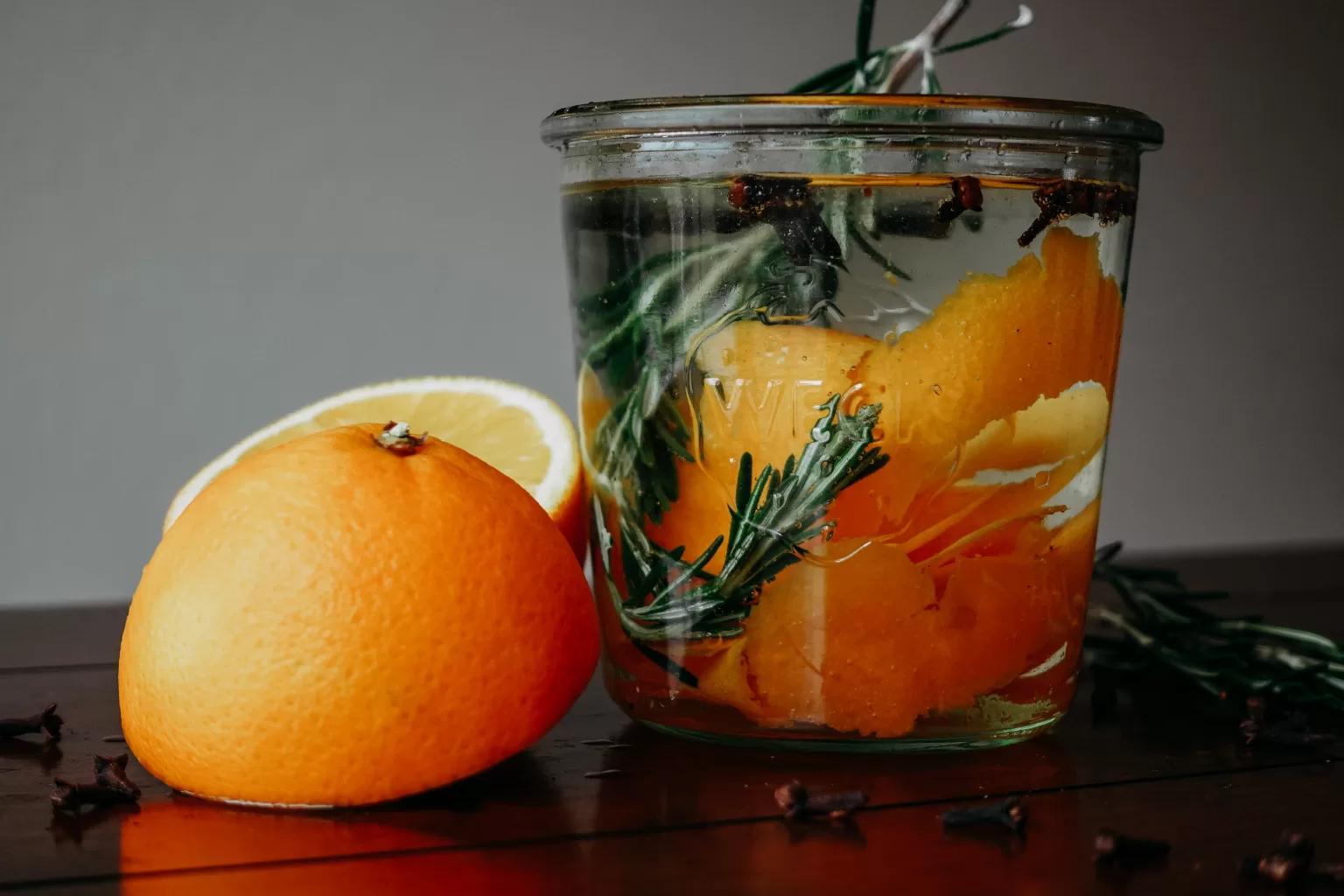
DIY Non-Toxic Citrus All-Purpose Cleaner
Making your own DIY Non-Toxic Citrus All-Purpose Cleaner is super easy and it can be made with ingredients you already have at home!

Natural Everyday Wood Cleaner
A simple cleaning method to clean your wood furniture using only natural products.

DIY Natural Laundry Powder
Simplify your laundry routine with something natural, effective, and gentle on your home and skin.

Homemade Non-Toxic Gentle Surface Scrub
This homemade non-toxic gentle surface scrub is perfect for extra grimy messes and can replace oven cleaners and products like Barkeepers Friend, without the toxic chemicals!

DIY Thieves Cleaner Without Essential Oils
An all-natural thieves cleaner without essential oils using herbs and vinegar.

DIY Natural Foaming Toilet Bowl Cleaner
This DIY Natural Foaming Toilet Bowl Cleaner actually works! The foaming power is the magic that scrubs for you!

Homemade Natural Deodorizer For Home and Car
Create sustainable and delightful herbal sachets using dried tea leaves and aromatic herbs to keep your spaces naturally fresh.
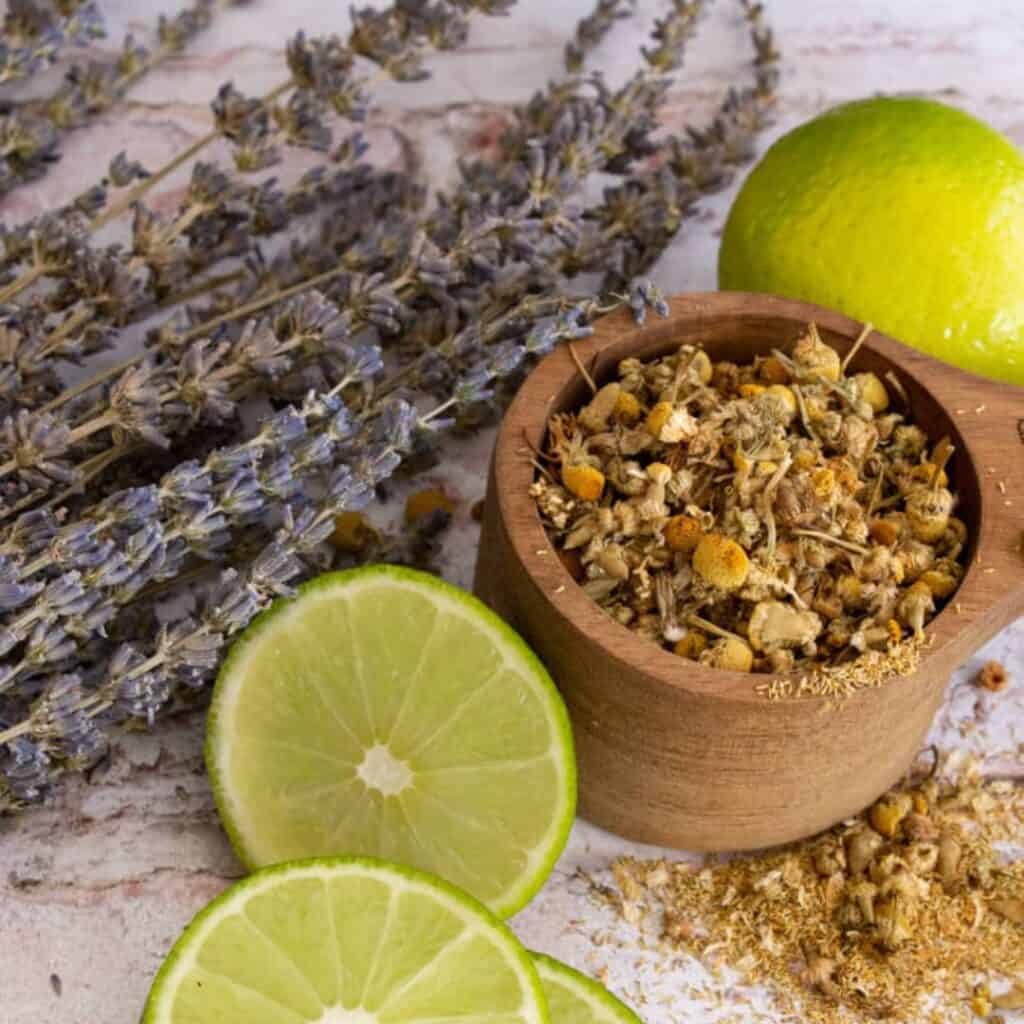
Simple Spring Floral and Citrus Simmer Pot Recipe
Say goodbye to headaches from artificial fragrances and hello to a fresh, clean scent that’s as invigorating as the season itself with this spring simmer pot recipe!
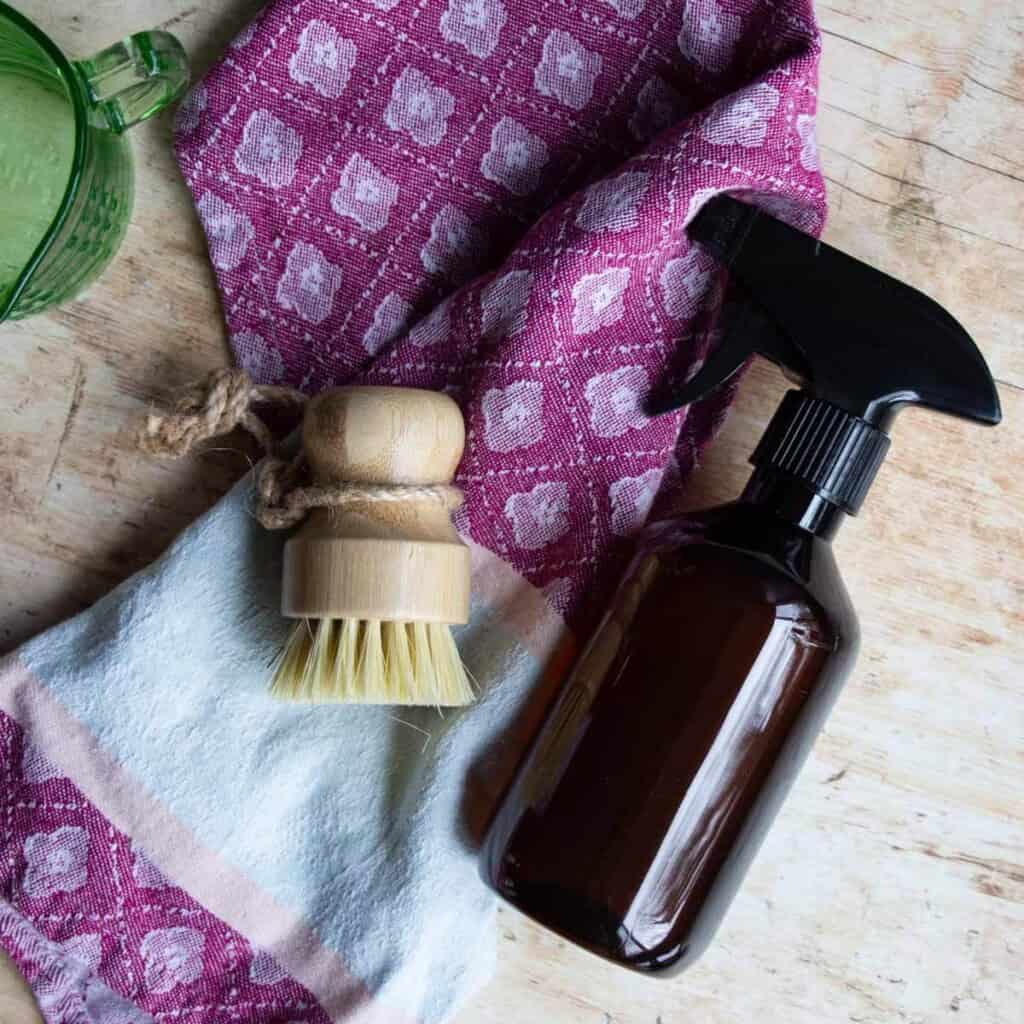
DIY Disinfectant Spray Recipe
This DIY natural disinfectant spray recipe keeps uses alcohol and hydrogen peroxide for the disinfecting power, with a few essential oils added for a clean scent and mild antimicrobial support.
Tips
- Don’t use microfiber! Microfiber leaches microplastics into the water each time you put it through your washing machine. Opt for cotton. I know, this first tip might hurt some feelings. But it is hard for me to tell you to give up plastics, then use a plastic cloth to clean. I know people love their Norwex cloths. I have a few old microfiber cloths chillin’ in my stash too. But I won’t buy new ones. Each time you wash those cloths, tiny microfibers are being drained with your dirty water, right into the water supply. Sorry to be the bearer of bad news. There is a filter you can get to filter out these plastics from your laundry (like this one), but I have not tried it yet.
- Even natural products can be abrasive. Vinegar is very abrasive. Don’t use on porous surfaces like wood, granite surfaces, or marble
- Use glass bottles. Don’t reuse plastic spray bottles from old cleaners because essential oils can eat away at the plastic.
- Use what you have. You can’t screw these recipes up! use what you have on hand in your pantry.
Overall, as long as you have a few simple ingredients on hand, you can pretty much make any basic cleaner you need on a regular basis!

What’s the next step?
If you are looking to make more ways to create a greener home, check out my list of Sustainable Swaps for any homesteader! If you made all these new cleaning products, it’s probably time to ditch the paper towel, too.
Switching to non-toxic, homemade cleaning solutions is more than a trend—it’s a practical way to protect your family’s health, cut down on waste, and simplify your household routine. Whether you go all-in with DIY cleaners or just make a few easy swaps, every small step adds up to create a safer, greener home. By using pantry staples and avoiding harsh chemicals, you not only reduce toxins in your living space but also help preserve our planet for future generations.
Remember, natural cleaning doesn’t have to be complicated; start with one recipe or swap at a time, and enjoy the peace of mind that comes from knowing exactly what’s in your cleaning products. Here’s to a fresh, toxin-free home that supports all of your homesteading, gardening, and everyday adventures!
Pin It for Later!

About the Author
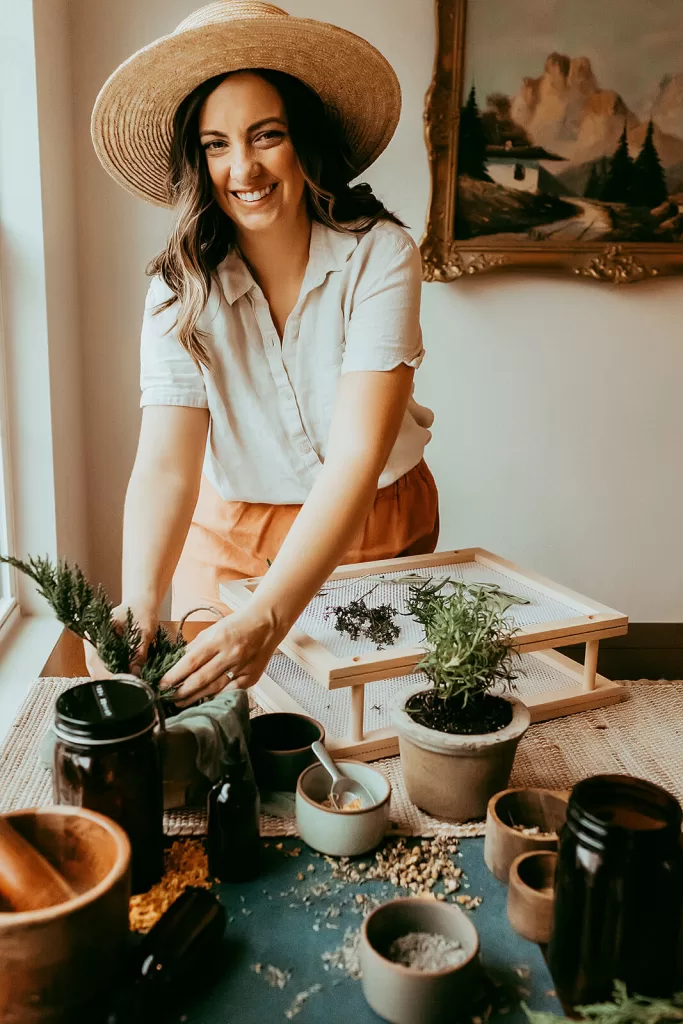
Brittany Gibson is a modern suburban homesteader and the founder of The Homestead Challenge. She empowers women to adopt a simpler, more self-sufficient lifestyle, feeling confident to grow, create, and thrive on their own terms with joy and balance.
Read more about my transformation and join me in building our lives from scratch.

Oh man, I’m a Norwex fan, didn’t realize that! Need to check out the filters. These cleaning products sound great! Can’t wait to try them!
Wow, so many great cleaning recipes on here! Thanks for all the great ideas!!
These sound great! I’m really inspired now to make the all purpose cleaner. It will be great for the holidays. Thanks!
I love this! We are all about using natural cleaners and I will definitely try a few of your recipes!
Love it! I’m also a non-toxic cleaning Momma and love all of your recipes that you’ve shared here!
This is great! Thank you!